Music and cooking are similar: both systems choose raw elements – sounds and ingredients – and fuse them into a cohesive, organized pattern, applying sensory judgment and technique. And both fields require students to practice their art, gaining a basic understanding before ascending to a master chef or professional musician level. Each participant must hone their senses through repetition and practice to gain confidence and experience.
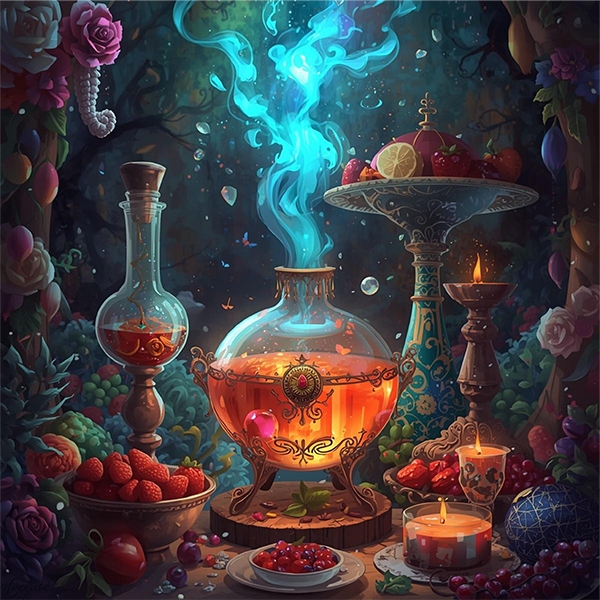
 Is there a difference between culinary arts and other fine art areas like music? Culinary arts is the only practice where the audience truly experiences the craft with all five senses – sight, hearing, smell, taste and touch. This sensory awareness moves culinary arts into the alchemy arena as chefs specifically transform ingredients to entice the brain into one cohesive thought – surprised delight at a bite.
Waking up the brain through multisensory experiences inspires stronger, more memorable food reactions, transforming it from a meal to an experience. Teaching advanced culinary students how to incorporate all five senses into their craft creates a metamorphosis from a person who loves to cook to a chef who loves food.
This two-part story first details ideas on teaching creativity, wonder and organization during recipe ideation. Part two will feature case studies where professional chefs have curated successful multisensory applications across various menu parts. 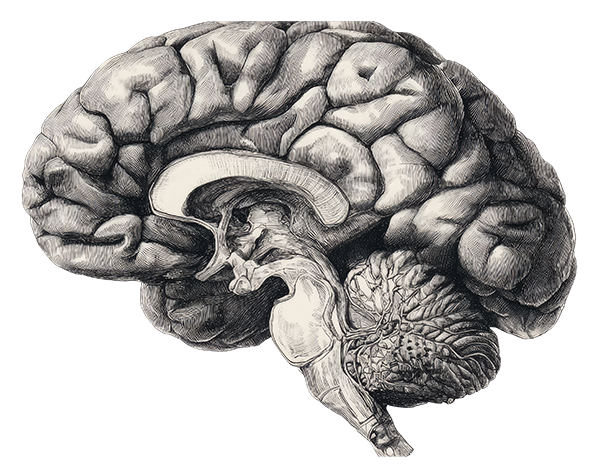
The importance of brain function in flavor perception
Harvard Neuroscience PhD Jess Kanwal said, “When you taste the subtle flavor of a perfectly brewed cup of coffee, or smell the funk of an aged blue cheese – you don’t just experience those flavors with your taste buds and nose, you experience them with your brain.”
Actively engaging the brain is central to understanding flavor perception, according to “Multisensory Flavor Perception,” by Science Direct’s Charles Spence. He says that multisensory interactions give rise to flavor experiences consumers know and love, demonstrating how they rely on the brain integrating the cues from all the human senses.
The brain determines that a meal tastes better when it registers pleasant stimuli from the sight, sound, smell, touch and taste senses. A great meal goes well beyond a flavor-layered dish that relies only on taste. A meal that transcends into a culinary experience involves all the human senses and an engaged brain.
It is one thing to teach culinary students the steps in creating a multisensory meal from a curated recipe. However, helping them develop this awareness and knowledge during their own recipe development is a far bigger task.
 Developing students’ inspiration and inspiring creativity
Professional chefs tasked with recipe ideation start from a place of curiosity. This openness to new ideas allows flowing creativity and thoughts beyond normal constraints.
“It’s important to develop and keep your child-like wonder,” said Aneesha Hargrave, executive chef for the California Avocado Commission. “I keep my curiosity about how food, flavors and textures interact.” She suggested that holding back on creativity could be holding back on your best self and ideas.
“Don’t talk yourself out of wild ideas,” Hargrave said. “You can go back and shape and mold it into a useable item. You can back yourself into the guidelines and rules.” Creativity and wonder will preserve a chef’s culinary career long after graduation.
Research and Development Chef Henry Hill, owner of Hill’s Research Kitchen, suggests beginning multisensory recipe ideation by researching how a flavor or ingredient is handled globally and identifying the impact of geography on the flavor. A student could also look for use cases throughout categories, platforms and trends. He suggested that students could become experts by learning and recording everything they can discover about the flavor or ingredient.
Translating ideas from paper to applications
Now that all the creative ideas and uses of an ingredient or flavor have been developed, it is time to sort. Instructors can share several organizing frameworks with students, helping to coalesce their creative ideas. These various organizing theories help shape a student’s thought process as they progress in recipe development.
Chef Hill suggests organizing ideas by categorizing flavors. “For example, you could use the ideas of what grows together goes together,” he said, which often pairs seasonal ideas and ingredients. He also suggests grouping ideas based on similar regions.
Color is another framing process students might choose to pair flavors and organize ideas. Chef Hill explains, “Think of the color wheel. One could group food in congruent colors. Think of the flavors of a green strawberry and how that flavor might pair with a green apple.” He suggests students describe the flavors of foods with similar colors.
A final note on recipe ideation from an all-encompassing list: what is created does not have to be elaborate. Chef Hill shared the Big Mac theory. McDonald’s Big Mac is one of the most successful menu items of all time. The ingredients are basic but the flavors and textures blend so well that the memorable hamburger has achieved fantastic, profitable results. Instructors may remind students that there is room for organized simplicity as well.
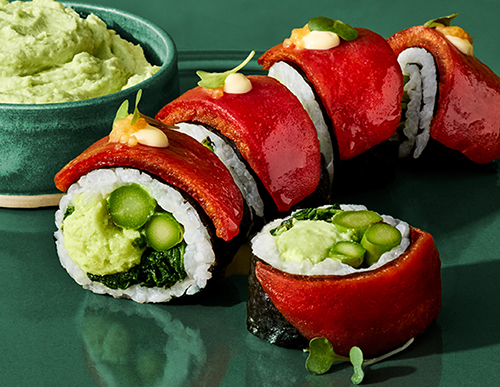 Part Two of this story explores case studies of how professional chefs entice guests by utilizing all five senses and brain engagement. As a teaser, consider the April 2026 GMC cover graphic. Is that wasabi and tuna? No, it is mashed Idaho potatoes and tomatoes. Would this meal engage your brain with surprise? That is a great first step in serving a multisensory meal.
# # # #
Cover photo courtesy of First Hospitality’s Tiffany Swayer and the Idaho Potato Commission. Alchemy photo created by AI.
Click here to read a previous story featuring multisensory instruction: Taste Happens in the Brain (Not Just the Mouth). Curating a delicious multisensory dish is like reading a riveting culinary novel.