 Beef tallow is an oil that a chef might choose for frying, baking, searing or even preserving foods. It varies from seed oil in that it is a form of lard derived from cows, made by melting down animal fat.
Its culinary value is once again gaining popularity as the go-to choice for chefs who want to add specific umami qualities to dishes. Tallow is available as a refined oil, which has undergone additional processing to become more flavor-neutral and heat tolerant, and unrefined, which has minimal processing. It resists the formation of oxidation as fats breakdown and because of that has a high smoke point of between 400-420F.
Historically, tallow has also been used in soap-making, as a lubricant and as an ingredient in skincare products.
Beef tallow is enjoying a renewed interest because of its flavorful properties. I asked ThinkCulinary’s Benjamin Udave, vice president of culinary and brand innovation, for his opinions on when and why chefs are turning to this flavorful fat.
How do you use beef tallow and why do you choose it over other fats/oils?
Tallow can do all the things saturated fats can do, just more flavorfully. You can bake with it, fry in it, sear proteins, confit in it and even preserve foods in it. It plays well with other fats, too - blend it with butter or other fats to add flavor. A tallow/butter hollandaise is pretty amazing!
Using tallow is definitely a choice to add flavor – umami, deeply beefy, savory flavor and aroma, especially if it’s from a grassfed or unrefined source. Refined tallow has a cleaner flavor profile and a higher smoke point, but you sacrifice flavor. I prefer a clean grassfed tallow from a pure source like Australia. I know I’ll get the flavor I want with no off-notes.
Describe the taste. Also, how does the tallow flavor profile work as a flavor-building agent in applications?
When warmed, tallow will have a naturally savory aroma along with beefy notes, especially if it comes from a grassfed source or is unrefined. The taste can be meaty, slightly roasted or nutty and have umami characteristics.
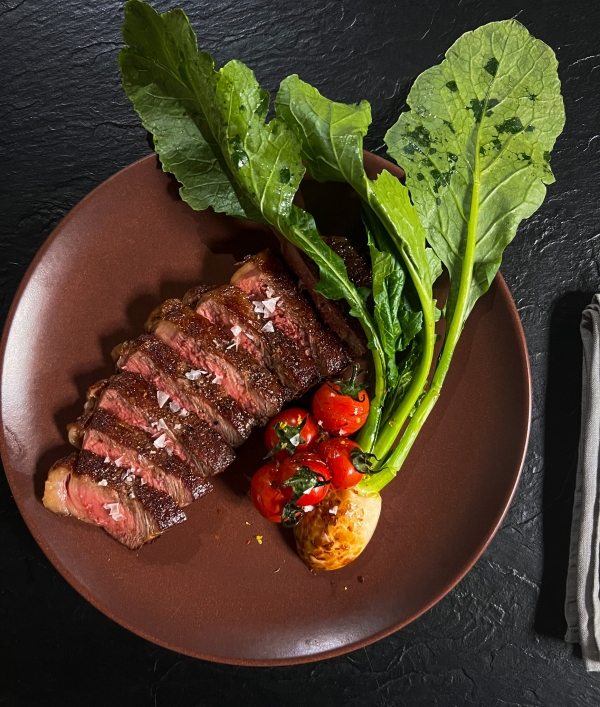
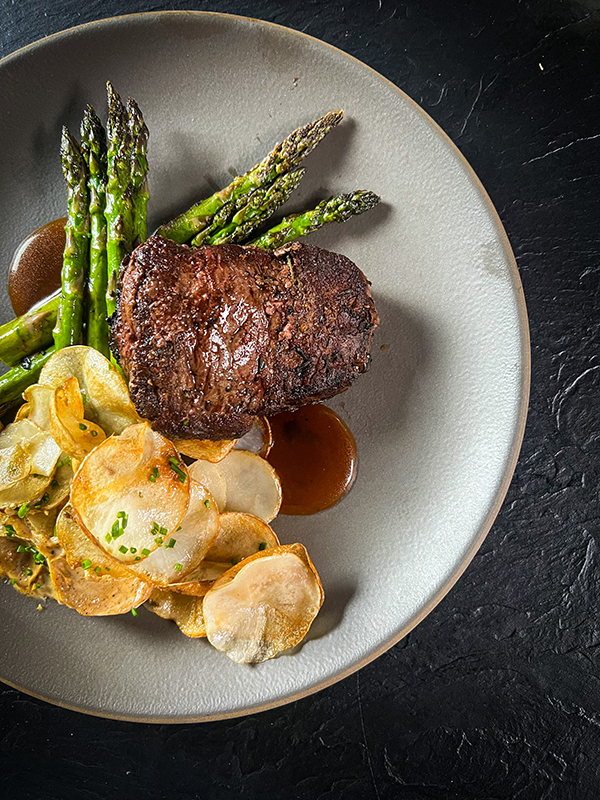
When searing a steak, tallow promotes intense Maillard browning and transfers beefy flavors into the fond. When deglazed, the fond plus tallow yield a deeply savory pan sauce with natural umami and a silky, rich mouthfeel that butter alone won’t fully mimic.
When frying potatoes, tallow produces a superior crust and beefy aroma that layers on top of the potato’s sweetness. The tallow fat delivers crispiness and a lingering savory finish that plain vegetable shortening/oil lacks.
Is there a demand for applications utilizing beef tallow?
We’re definitely seeing more demand for tallow. We sell organic grassfed beef tallow under our Herd and Grace brand. The shift is tied to a movement away from processed oils and foods toward more natural and what you might call back-to-basics choices. That “naturally good” halo is almost like a marketing claim on its own, adding value to menu items and other items, anything from candles and beauty products to potato chips.
What additional beef tallow information might culinary educators include in lesson plans?
Upcoming cooks should learn how to render their own – then they can decide if it’s worth it to buy someone else’s. The process is simple but takes time.
My preferred method is to oven-dry render. Cut the fat – trim and suet, the hard white fat found near the kidneys - into similar-sized cubes so it will melt evenly. Place the cubes into the oven at 250°F for 3-4 hours until fully melted. Strain it through cheesecloth, skim the top, seal it tight and refrigerate. Once it hardens its shelf-stable at room temperature. Homemade tallow like this would have a lower smoke point, 375-400°F, because you can’t eliminate as many impurities.
My dietitian friends would want me to point out that tallow is not a health food – it’s a natural animal fat, which is great, but it’s also a saturated fat. Use it for flavor, not for everything in your life. It is a great way to use more animal protein and derive a super useful ingredient from what’s often thrown away.