The goal of education is not just the presentation and assimilation of knowledge and skill but also nurturing the desire and ability to question everything. This questioning is the foundation of progress and the impetus for change.
Those who were present at CAFÉ’s Deans and Director’s Retreat last June were encouraged to ask, “What if?” We are all comfortable with and supportive of what is known and how we approach everything from the process for designing menus to assessing proper nutritional intake and from cooking methods to food safety and sanitation. Time has shown these understandings and processes can and do change. Asking, “What if?” allows us to plan for this change through foresight rather than simply trying to recover from hindsight.
Change is a scary concept. Change forces us out of our comfort zone and pushes us to prepare and recover through effective problem solving and scenario planning. We know this is true but how often do we practice it? How often do we question why? How often do we look at the ripple effect of decisions and how those decisions may lose their validity given changes in technology, marketplace demands, consumer preference, or socio-economic and demographic shifts? As leaders, deans and directors, decision-makers, and visionaries, isn’t this part of our job? Shouldn’t we lead discussions about what might happen, what opportunities might present themselves, what challenges we might face that will knock the wind out of our sales?
We are living at a time with wholesale paradigm shifts in how we view work, education, social interaction, health, entertainment, leisure, and the restaurant business. If we fail to ask, “What if?” and plan for the known and unknown, then how will we deal with change that happens?
The food industry is facing significant challenges. These challenges will not solve themselves – they will continue to become more problematic unless we choose to take a leadership role vs. a followership one. Consider these topics:
- dwindling labor market
- demographic shifts
- societal challenges to the concept of work
- movement away from higher education
- power of mass customization in foodservice
- economic uncertainty
- problems with the integrity of the food supply
These issues challenge every aspect of culinary education.
Over the next few months, I intend to challenge your thinking and encourage you to do the same in your institutions with faculty, administrators and students. This is exciting, scary and important. We can’t ignore it!
One organization worth paying attention to is The Institute for the Future. They state, with certainty:
“By 2036, AI will reshape higher education in ways that are already becoming visible today. What should the university become — and what could it become?”
-The Institute for the Future
Take a minute to view the short video about their Higher Education Future Simulator. This may be something to consider for one of your faculty meetings or retreats.
If it is important for our students to question in the process of learning, then shouldn’t we do the same?
Food for thought.
PLAN BETTER – TRAIN HARDER
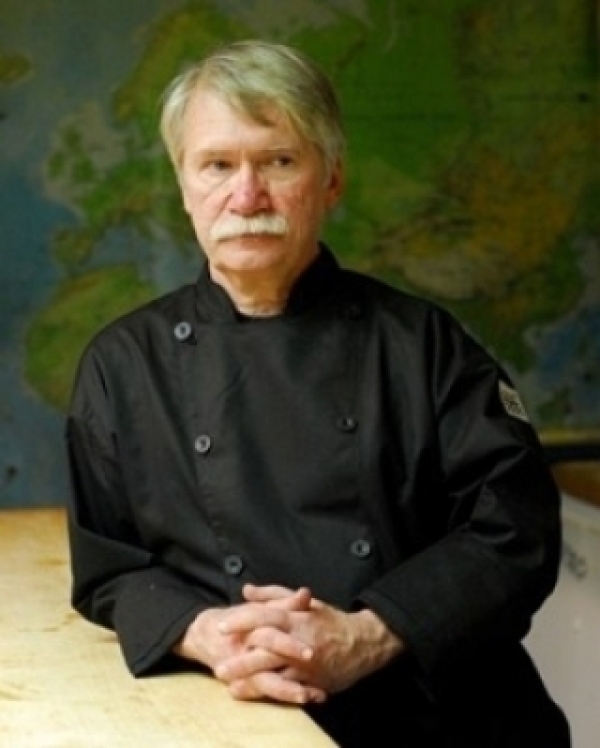
Paul Sorgule, MS, AAC, president of Harvest America Ventures, a mobile restaurant incubator based in Saranac Lake, N.Y., is the former vice president of New England Culinary Institute and a former dean at Paul Smith’s College. Contact him at This email address is being protected from spambots. You need JavaScript enabled to view it..