
Mayo’s Clinic: The Habit of Curiosity
Saturday, 01 February 2014 03:00
 Wondering and thinking about everything that is done in the kitchen—and considering how and why—are important behaviors we want to build in our students and encourage a stance of questioning.
By Dr. Fred Mayo, CHE, CHT
For much of the fall, we discussed helping students learn about themselves, assisting them in taking charge of their lives and in other ways building their professional skills. This spring, we will focus on another aspect of working with students: helping them expand their curiosity and their creativity. This month, we will discuss developing the habit of curiosity.
A Habit of Curiosity
The habit of curiosity is a pattern of looking at and wondering about things throughout the day. It involves noticing when things do not work the way you expected them and asking why things happen the way they do. Since it means asking a range of questions—who, what, where, when, how and why—this process of thinking actively engages the mind and builds critical-thinking skills, something so necessary for our students.
Unfortunately, there are many people who can look at a loaf of bread, a plate presentation, a clear soup, a glass of wine or a composed salad and not see anything. They do not wonder why it was prepared the way it was, where it came from, what was involved, what else could have happened, and why it smells or tastes like it does. While that acceptance without noticing and thinking may be acceptable in a restaurant patron, it does not belong in a professional chef or a student learning to become a chef. Wondering and thinking about everything that is done in the kitchen and considering how and why are important behaviors we want to build in our students. Therefore, we need to encourage a stance of questioning and a habit of curiosity.
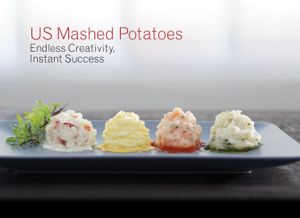 No other ingredient comes close to mashed potatoes in terms of versatility, ease of use and sheer crowd-pleasing potential. The U.S. Potato Board’s international team has developed a 14-page, full-color brochure—U.S. Mashed Potatoes, Endless Creativity, Instant Success—which shows the amazing variety of menu items that chefs from around the globe are making with standard potato flakes, standard potato granules and mashed-potato mixes.
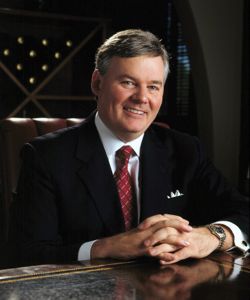 Dr. Tim Ryan, CMC, president of The Culinary Institute of America (CIA), has been chosen as one of the 50 most powerful people in the restaurant industry. The newly released Nation’s Restaurant News (NRN) Power List recognizes the people who are leading and shaping the food world.
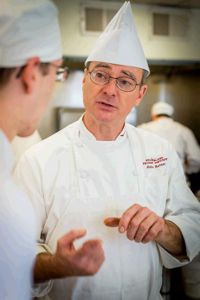 Andre Burnier, chef instructor and senior core faculty member at New England Culinary Institute, has been chosen to join a select company of his peers in Las Vegas, Nev., this spring.
 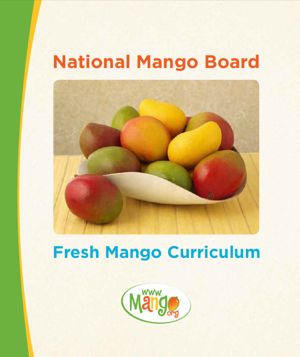 Approved by the ACF for CEHs, this curriculum released in January arrives at a time when mango consumption in the United States is up considerably.
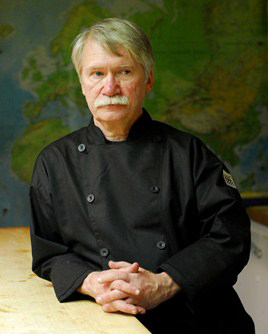 Are you preparing students to be kitchen and career ready?
 The American Culinary Federation, Inc. (ACF) marked the beginning of its new vision with the global launch of an updated logo to commemorate its 85th anniversary. ACF National President Thomas Macrina, CEC, CCA, AAC, unveiled ACF’s new logo on Jan. 6 via a video message at
 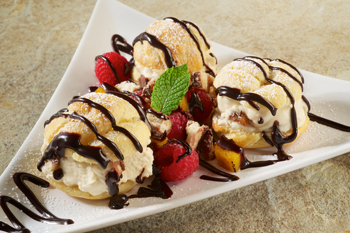 Chef Michael Watz, instructor at Washburne Culinary Institute in Chicago, is the winner of a $2,000 cash prize for his recipe entry in the MARS Foodservices Chef Showdown 2013 Dessert Recipe Contest. His original recipe, Mascarpone TWIX® and Shout,combines TWIX® Caramel Cookie Bars and mascarpone cheese to create a luscious filling for delicate cream puffs topped with roasted mango, fresh raspberries and chocolate sauce.