
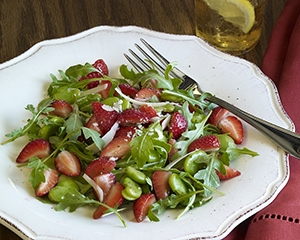
California Strawberry Commission Seeks “Berry” Good Dishes from Restaurants
Tuesday, 04 August 2015 03:00Strawberries are a favorite of American diners, and operators across the country—from quick-service venues to fine-dining restaurants—use strawberries on menus in every daypart to generate orders. Guaranteed to appeal, California strawberries enhance and add value to salads, appetizers, desserts, beverages, sauces and condiments.
With such broad popularity, the California Strawberry Commission knows there are thousands of signature strawberry items on menus waiting to be discovered. So, the commission is asking foodservice pros to take a photo of their favorite strawberry dish to share—in their own operations or when dining out.
Simply take a photo of the strawberry item, then e-mail it to This email address is being protected from spambots. You need JavaScript enabled to view it.. Be sure to include your name, mailing address, the name of the dish and the name of the restaurant. Even easier, you can also post on social media using #strawberryspotting. In exchange, each month through October 30, 2015, the California Strawberry Commission will select a favorite photo, publicize it on the website and in its operator newsletter, and send a berry nice gift in appreciation. Let the strawberry snapping begin!







 Telling people to be the best they can be allows them to quit striving whenever they want. To be the best in your field, however, one must always strive for the next level. This is the generations-long American Dream that we, as teachers, offer our students.