
50-Minute Classroom: Sauté
Wednesday, 04 January 2012 10:41
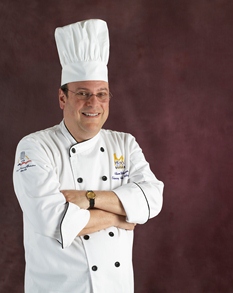 Your students will want to reach for the tongs, spatula or spoon. Don’t let them. These six steps in class will effectively remove students’ fear—and enhance their thrill—of sautéing.
By Adam Weiner, CFSE
For the last several articles I have addressed teaching business skills of our industry and teaching techniques. Now it is time to return to the teaching of specific cooking subjects. A cooking technique that both thrills and terrifies students is sautéing. To alleviate the fear, minimize the mess and cut back on food costs try the following six steps:
1. Teach What Is Sautéing. Sautéing basically means “to jump” in French. Tell your students that the different ingredients are cut into uniform size, and are added to the pan in the order of what takes the longest to cook going in first. The food is jumped, not stirred. In other words, the cook keeps flipping the food over in the pan so all sides of the food cook uniformly. Usually sautéing is done with a small amount of fat (generally oil or butter) in the pan.
 An overview of soy oil and its role in foodservice applications.
 The Center for the Advancement of Foodservice Education (CAFÉ) is pleased to award its Endorsement Program seal to the Idaho Potato Commission (IPC) Foodservice Toolkit, a comprehensive teaching resource.
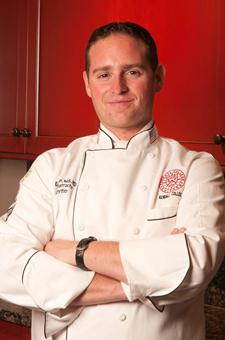 The Kendall College School of Culinary Arts announces the addition of Chef Eric Stein, MS, RD, to its faculty. As an instructor specializing in culinary nutrition, Stein brings a contemporary cooking style to Kendall that emphasizes nutrient-rich foods and global flavor profiles.
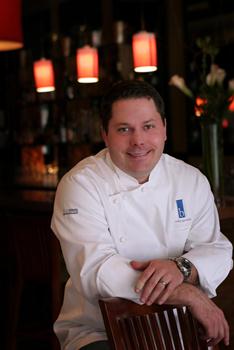 Sullivan University’s National Center for Hospitality Studies (NCHS) honored Chef Colby Garrelts of bluestem Restaurant in Kansas City with the prestigious Distinguished Visiting Chef award on November 10. As recipient of the award, Garrelts presented on-campus cooking demonstrations, book signings and question-and-answer sessions held exclusively for Sullivan University students.
 Bill Rodgers, executive chef, Keens Steakhouse, New York City