
50-Minute Classroom: Teaching Food Costs
Wednesday, 30 November 2011 19:00
 Contrary to what students might think, life is not like “Hell’s Kitchen,” where food can be discarded with abandon. Here are eight easy and effective ways to teach basic food-cost principles that will serve your students well.
By Adam Weiner, CFSE
I believe that for our students to climb the kitchen ladder of success, it is important to teach them not only also how to cook well, but how to think like a chef. One thing that has always been at the forefront of chefs’ minds throughout the centuries is food costs. In today’s world, food costs, more than ever, can make or break a commercial establishment. (Even if you are only teaching a class to teach people how to cook at home, food costs are still critically important, since food is a very large part of a household budget.)
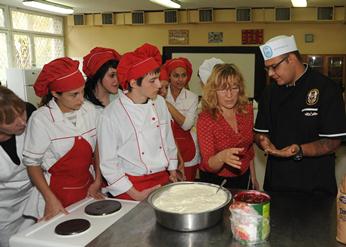 USS Philippine Sea shares culinary techniques with high-school students in Eastern Europe.
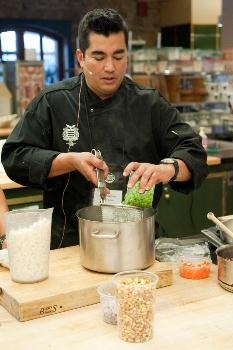 The CIA’s recent Worlds of Flavor® International Conference & Festival examined the casualization of fine dining.
 From social networking’s impact on success to a greater emphasis on in-house rustic fare to save cost, Technomic predicts the biggest influences on U.S. restaurants next year.
 The truth about GMOs.
 Although this part of case-study teaching can be arduous, there’s real value in reading papers. Doing so allows us to suggest ways to improve students’ thinking.
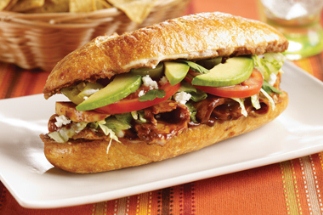 SandwichPro.com offers new on-trend sandwich-making demos.
 Of the three things you can manage—cost, quality and quantity—you can realistically only manage two. Or so thought the Institute for the Culinary Arts at Metropolitan Community College .
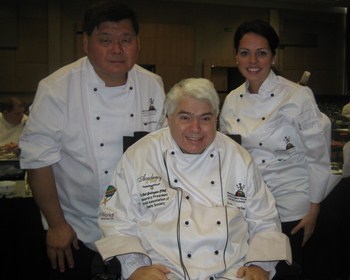 The president of the American Culinary Federation led an entourage of U.S. chefs to partake in and contribute their talents to the Bidvest World Chefs Tour Against Hunger in South Africa in August.