
Is an “Organic” Label the Kiss of Death?
Wednesday, 08 July 2015 03:00According to Mintel research, more than half of U.S. consumers think organic labeling is simply an excuse to charge more, and more than a third regard “organic” as a marketing term with no real value or definition.
Organics would seem tailor-made for shoppers seeking foods and beverages that are healthier for them, their families and the planet, but new research from Mintel reveals that Americans appear confused about the benefits of organics, with many perceiving the organic label as nothing more than an excuse to sell products at a premium.
Overall, the biggest selling point for organics is the perception that the products are healthier (72%)—much more so than any environmental or ethical reason. In fact, only 29% of consumers recognize that organic products are highly regulated, and 51% agree that labeling something as organic is an excuse to charge more. While sales of organic products are on the rise, actual consumer penetration has plateaued.
Organics Are Healthy, Right?
Overall, 72% of U.S. consumers purchase organic food and/or beverages for health or nutrition reasons, while slightly fewer (69%) factor environmental or ethical reasons in their purchase decision.
When looking specifically at female shoppers, this consumer group appears to choose products that avoid certain characteristics: 43% purchase them because they do not contain unnecessary ingredients or chemicals, and the same percentage do so to avoid food made with pesticides.
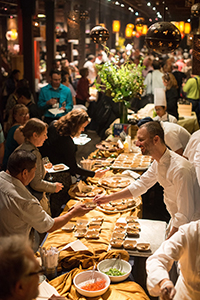 For 17 years, Worlds of Flavor in Napa Valley has been considered by the industry to be America’s most influential professional forum on world cuisines, food cultures and flavor trends. This year’s event didn’t disappoint.
 Real information power comes when operators begin to consolidate and review all their data, to reveal the complete picture they need to make better business decisions.
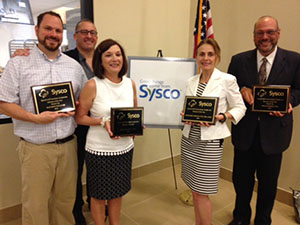 In the award program’s inaugural year, two secondary and two postsecondary educators earned recognition for distinction in training professional cooks of tomorrow at the 11th-annual CAFÉ Leadership Conference in June.
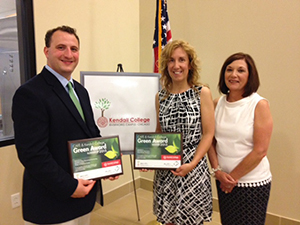 High-school culinary-arts programs in Grand Rapids, Mich., and Batavia, N.Y., earn honors for exemplary practices in—and innovative teaching of—ecological sustainability.
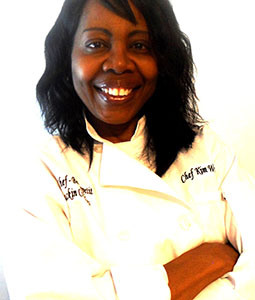 A bakery entrepreneur leaves nursing behind to enroll in an online pastry-certificate program, and the result is sweet.
 An understanding of “putting in place” is one of the most important skills for culinary students to learn and practice in becoming professionals. Says Dr. Mayo, proper mise en place is actually composed of three parts—all of which do double duty in the kitchen and dining room.
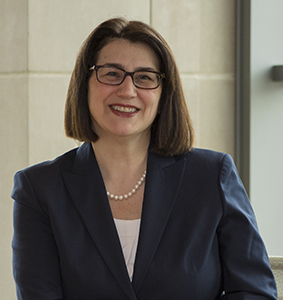 Donna L. Quadri-Felitti has been selected as the new director of the School of Hospitality Management at Penn State, effective July 2015.
 Individuals with a flair for cooking can now put their passion to work at Star Career Academy’s Egg Harbor Township, N.J., campus, which recently introduced three new culinary programs: Professional Cooking, Commercial Cooking and Professional Pastry & Baking.