
Teaching the Future of Foodservice Equipment
Thursday, 15 January 2015 03:00
 From molecular gastronomy to the growing demand for smaller-footprint, multipurpose devices, today’s foodservice students must be exposed to and proficient at utilizing modern cooking equipment while developing critical thinking skills to anticipate the advanced technologies of tomorrow.
By Christopher Koetke, CEC, CCE, HAAC
In education, we have a simple, but ultimately complicated, mandate: to prepare our students for the future they will inherit. In many foodservice operations, such thinking is trumped by the operational needs of running a foodservice business and the need to balance short-term profits and long-term fiscal health.
For us in the educational world of culinary arts, our focus is five to 10 years from now. Given the speed at which the foodservice industry changes, educators embrace an awesome responsibility. Our students trust that the education we offer will, indeed, point them toward success in the future. Thus, we look for the megatrends that will shape the future of foodservice without getting distracted by short-term trends or fads—which might get some mention in a quality culinary program, but will not earn star status by being incorporated into the curriculum.
When it comes to equipment, there are two distinct educational outcomes. The first is to simply familiarize students with equipment common to many professional kitchens. This actually goes beyond familiarization, as students need to know how to cook on this equipment and perform basic maintenance.
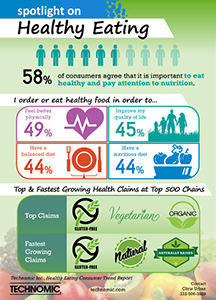 Consumers increasingly want to know what’s in their food, says Technomic. Can restaurants produce dishes that are both wholesome and delicious? A majority of diners apparently thinks so.
 Is there ever enough time in class to do everything you wish? You’re already employing one out-of-classroom model to extend instruction, but, says Dr. Mayo, three that you might not have considered can help you become even more effective at teaching. Though not necessarily easy at first, these models’ merits make them worth a try.
 What can we learn from Detroit automakers, BlackBerry and Blockbuster? Technology and other factors are gradually changing how we cook, what we cook, how it is served and to which audience it appeals. Culinary programs need to begin planning today to meet the future needs and demands of an evolving marketplace.
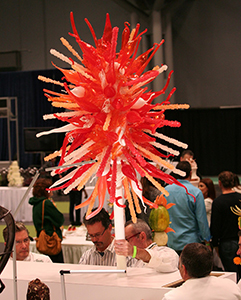 A sugar chandelier partially created using a 3D printer was just one of the components of the cutting-edge display The Culinary Institute of America entered in the 146th Salon of Culinary Art during the International Hotel/Motel & Restaurant Show in New York City on Nov. 9. Competing in six categories, the display earned five gold medals—including three “Best of Show”—and one silver medal.
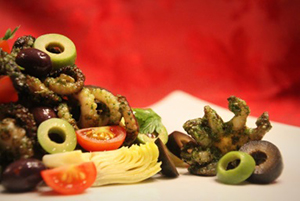 Olives from Spain and The Culinary Institute of America (CIA) have selected the winners of their 2014 Scholarship Competition and Recipe Challenge. The competition, open to CIA students in all three U.S. campuses, challenged students to submit recipes featuring Olives from Spain shown in innovative, versatile new culinary applications, from starters and tapas to flavorful entrees.
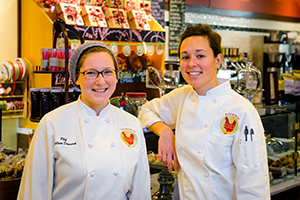 An award-winning pastry chef and talented baker and cake artist bring their seasonally inspired, artisanal confections to life at this Parisian-style Rhode Island bakery.
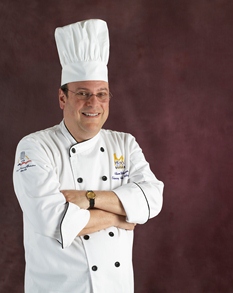 ’Tis the season, says Chef Weiner, who among other things suggests a “Build a Gingerbread House” station to raise needed funds for programs.