
The Culinary Institute of America Launches Latin Cuisines Concentration
Thursday, 01 May 2014 03:00
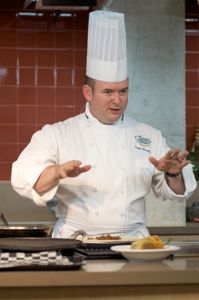 A group of students from The Culinary Institute of America (CIA) campus in Hyde Park, N.Y., is spending the first semester of senior year at the college’s campus in San Antonio, Texas, focusing on the ingredients, techniques and cultural traditions of Latin American cuisines. It is part of the CIA’s Latin Cuisines Concentration, which launched May 5—Cinco de Mayo.
The students, pursuing bachelor’s degrees in culinary-arts management from the CIA, will study the foods of Mexico and other Latin American cuisines that are ripe for broader exposure in the United States, including those of Brazil, Peru, Central America and the Caribbean. They will explore the nuances of flavor development and culinary expression of these cuisines, while learning from expert faculty and visiting instructors, such as award-winning chef Rick Bayless, all under the direction of the CIA’s Chef Sergio Remolina.
Students also will be immersed in the history and cultures of these nations and regions. For instance, they will learn that Cinco de Mayo is not the “Mexican Fourth of July,” but rather the commemoration of an 1862 military victory. According to Remolina, only in recent years has it turned into a day of celebration in the United States.
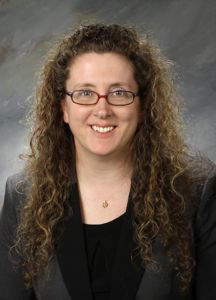 The Baker College of Port Huron student-operated, fine-dining restaurant and bar at the Culinary Institute of Michigan (CIM) has opened its doors, serving up Michigan products and beautiful local views. The CIM Port Huron is located at 2000 St. Clair Street, Port Huron.
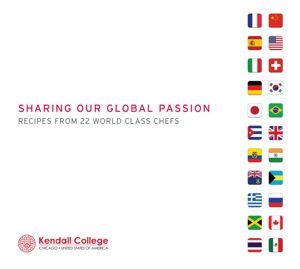 Kendall College is proud to announce the release of its first culinary publication, Sharing Our Global Passion: Recipes from 22 World Class Chefs ($25), a compilation of recipes that reflect the backgrounds, professional training and world experiences of faculty in the School of Culinary Arts. Published by the preeminent culinary-arts educational experience in the Midwest, this book celebrates the diversity of global cuisine in both classic style and modern interpretation.
 Courtesy of Mercer Cutlery
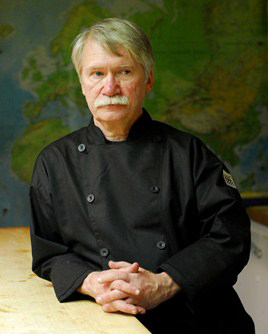 As culinary educators we have a unique opportunity to view student assessment differently—in a way that measures the ability to “demonstrate understanding” vs. the ability to memorize.
 Chef Bill Telepan leads school wellness initiatives while running successful restaurants. He says that if you have a chance to give back, do it.
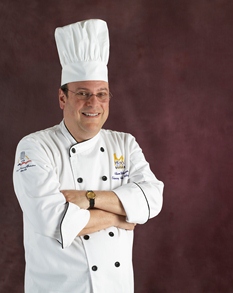 Combined with last month’s article from Chef Weiner on the basic science behind critical processes in the kitchen that all culinary students should understand, the following 10 precepts truly sum up any student’s “necessary science.”
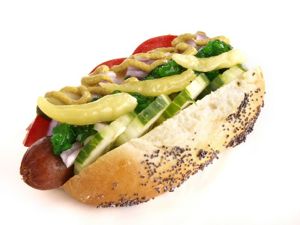 The Los Angeles Dodgers expects to sell more than 3 million hot dogs to fans this season, while the Detroit Tigers unveils the Poutine Dog. Meanwhile, the Chicago Cubs will offer a taste of hot dogs over the last 10 decades at Wrigley Field.
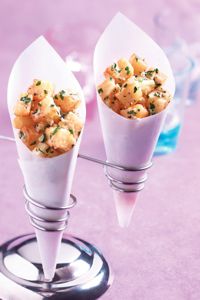 If you’re 45 or older, you probably prefer a baked potato over french fries, according to results of a recent study. However you like your potato, it’s the vegetable of choice for nearly one-quarter of Americans, and virtually everyone in this country eats them.
 To baking-and-pastry students with dreams of owning and operating their own bakeshops, whether to create from scratch or utilize a convenience-added product has everything to do with quality and consistency.