
Guest Speaker: 3 Basics to Harnessing Restaurant Big Data
Wednesday, 29 April 2015 03:00
 Say a menu item doesn’t sell. Is it overpriced, poorly described, not satisfying to the customer or a combination of these? To understand the basics of restaurant-performance management systems, here are three key teachings that would be part of any 101-level course on the topic.
By Dave Bennett
In the restaurant business, competition is fierce and plenty. Owners use various types of operational strategies to stay ahead of the curve and keep profits streaming in. Measuring restaurant performance is a critical ongoing activity—to see how operations are going today, and to reveal opportunities to improve customer satisfaction and unit profitability in the future.
Strong restaurant performance-measurement systems require vast amounts of data. Your data tells you how things are going, and you, in turn, use that data to make decisions. For instance, let’s imagine that your data is telling you that customers aren’t ordering a certain menu item. Is it overpriced? How does it taste? How is it described on the menu? Armed with that knowledge, you can decide how to respond: Remove that item from the menu, which will also streamline your inventory; offer it as a limited-time offering with a new menu description; or lower its selling price to see if that boosts sales.
 The third installment in a series on effective professional-development activities performed by students outside of the classroom.
 Graduates will not remember many specifics of their educations, and will even realize that so much they thought would be important to their life paths isn’t. But they will remember those who influenced their learning in meaningful ways.
 With the addition of Master of Wine Adam Lapierre (pictured) to the team and three brand new programs to the schedule, San Francisco Wine School now boasts top-level educators from, and coursework for, all four major wine credentialing bodies. The school’s elite group now comprises three Master Sommeliers (Court of Master Sommeliers), three with Diplomas in Wine & Spirits (Wine & Spirits Education Trust), three Certified Wine Educators (Society of Wine Educators) and one Master of Wine (Institute of Masters of Wine). This guarantees that, no matter which educational path wine students choose, they will be fully supported by San Francisco Wine School.
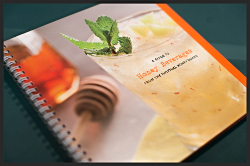 The National Honey Board (NHB) has introduced a colorful, eye-catching, new, information-rich resource, A Guide to Honey Beverages. Serving as a complement to the Sweet Stirrings cocktail guide (2012), the honey beverage handbook features nearly 40 spiral-bound, laminated pages replete with honey tips, tricks and on-trend recipes to help operators enhance their non-alcoholic and alcoholic beverage menus and programs.
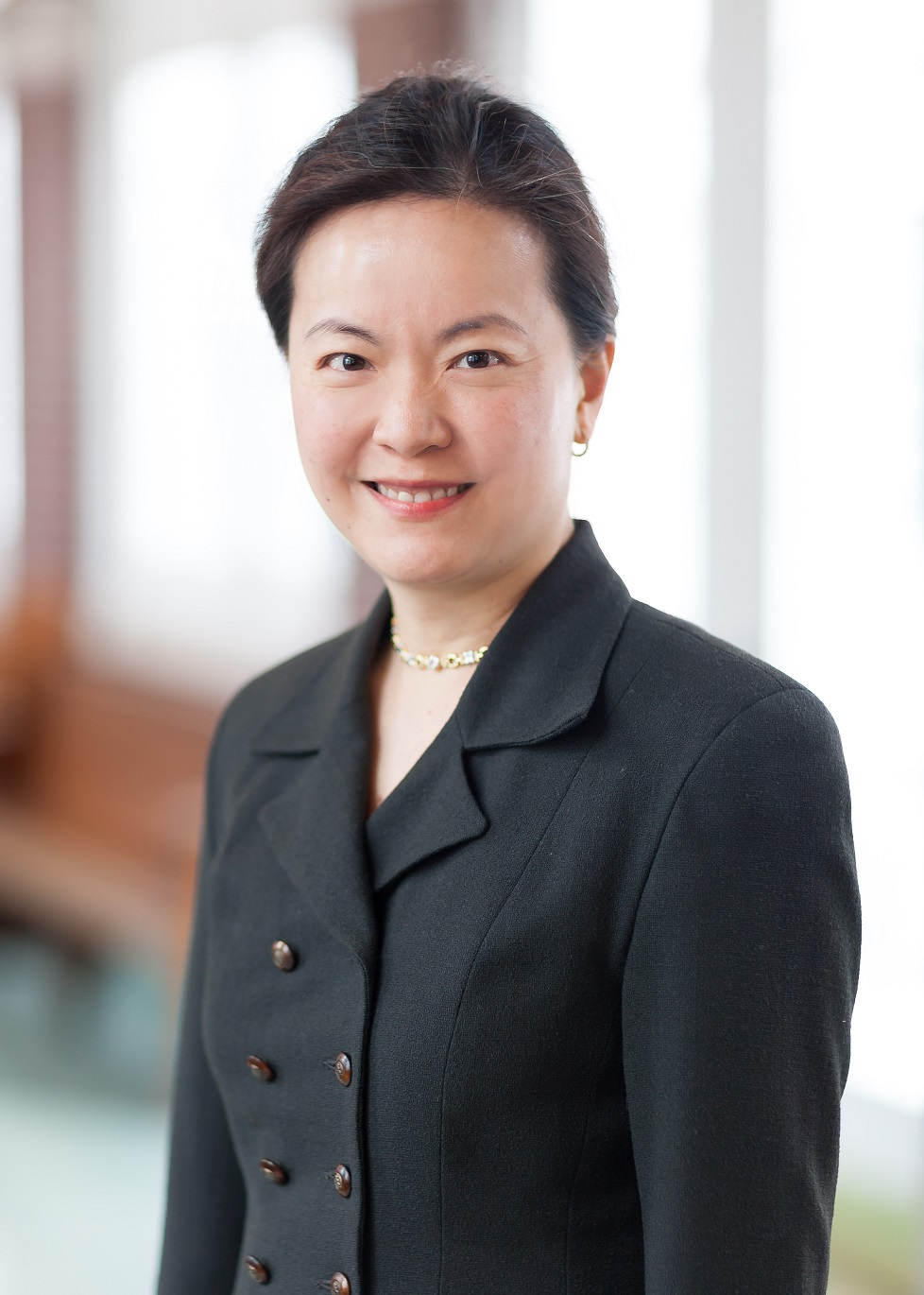 The Culinary Institute of America has appointed Rose S. Wang as the college’s vice president of strategy. Wang joined the college on Feb. 3, 2015, after serving as the chief financial officer of the Mount Sinai School of Medicine’s Center to Advance Palliative Care in New York City since 2013.
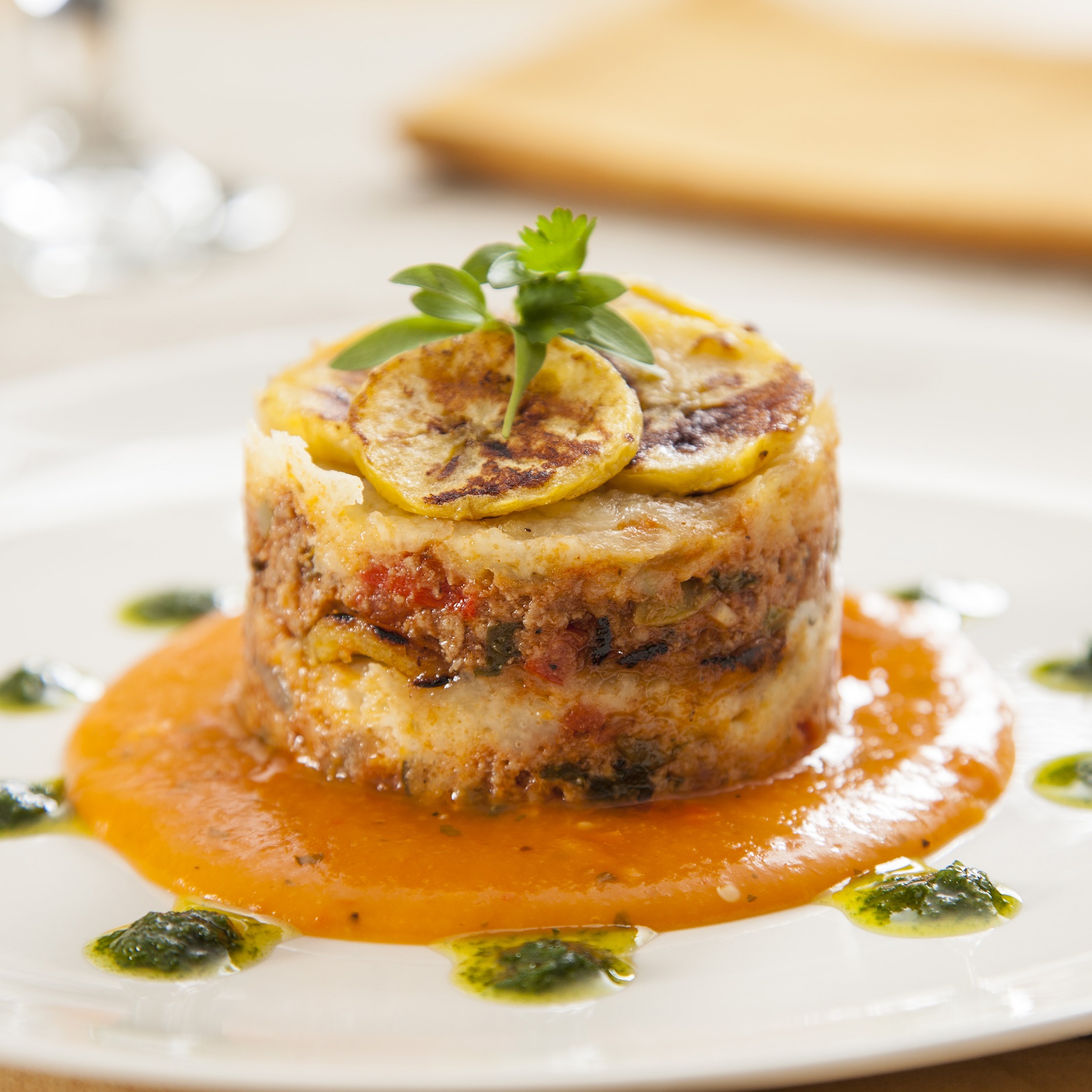 Maple Leaf Farms challenges professional chefs and culinary students to think outside the box when it comes to duck preparation. And to spark their creative juices, Maple Leaf is offering more than $19,000 in prize money in the 2015 Discover Duck Recipe Contest.
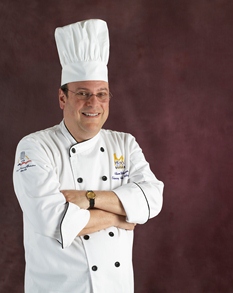 On a recent trip to Hawaii, Chef Weiner had an epiphany: Teaching our students how to cook isn’t good enough. To better prepare them for the real world, we also need to introduce students to the different formats of serving. Here are 10 effective ideas that fit nicely within a shorter class timeframe.