
A Tribute to Culinary Education Innovator, Instructor and GMC Writer: Chef Jennifer Denlinger
27 July 2026By Lisa Parrish, GMC Editor
Feedback & comments: This email address is being protected from spambots. You need JavaScript enabled to view it.
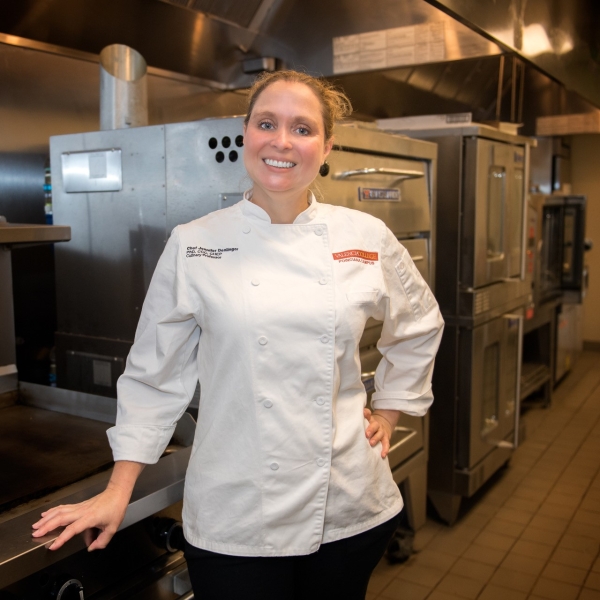
 The culinary educational community lost a bright star in June when Dr. Jennifer Denlinger, CCC, CHEP, instructor at Valencia College, succumbed to triple-negative breast cancer. The native Floridian spent the last 24 years teaching at Le Cordon Bleu College of Culinary Arts in Orlando and Valencia College's Poinciana Campus.
I first met Jennifer in 2020 and was immediately captivated by her creative and inspiring teaching methods. That year she earned two CAFÉ conference awards. I am still inspired by her Innovation Award subject: a classroom escape room activity designed to review and instill safety and sanitation concepts.
Her award applications were fascinating, and I reached out to gauge her interest in writing for the Gold Medal Classroom. Her response was, “Sure, I have a few story ideas.” I didn’t realize it at the time, but Gold Medal Classroom readers were about to be treated to more than 30 culinary education articles full of creativity, resources and innovative teaching concepts.
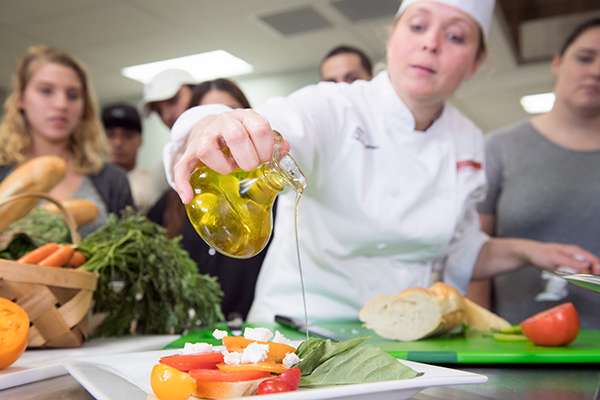
She summed up her teaching philosophy when she said, “Chef instructors must be well-rounded with their knowledge, skills and attitudes in the world of food, methodologies and theories. A good chef instructor is someone who can then take their knowledge and successfully translate it to a manner that can be portrayed and delivered effectively to students.”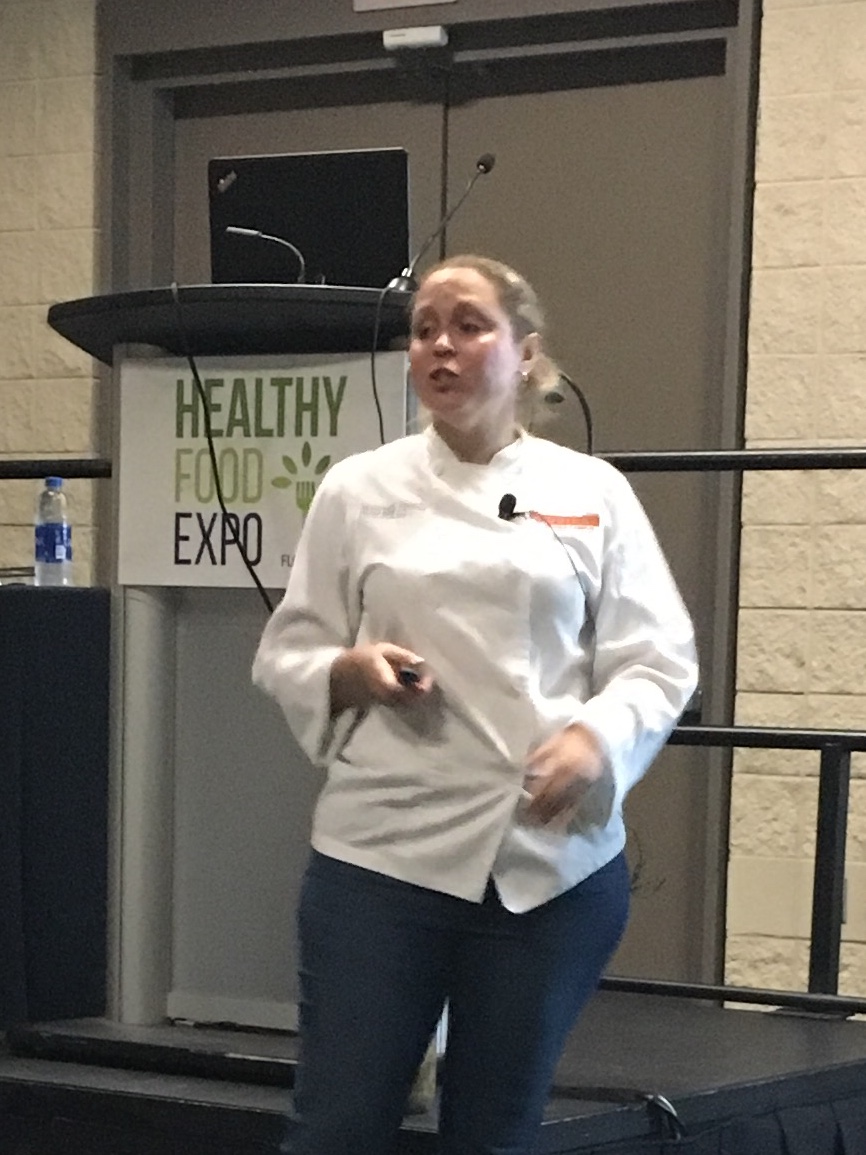
The 2020 American Culinary Foundation Chef Educator of the Year immersed herself in learning about how students learn best. Her focus on identifying learning styles and utilizing that information to teach more effectively was the basis for her PhD dissertation. “We work in a very hands-on, kinesthetic and tactile profession, but students still need to grasp materials forming the culinary education foundation, no matter their learning style,” she said. You can read this two-part article focusing on her dissertation subject of determining student learning style using a modified VARK assessment (Visual, Aural, Read/write, and Kinesthetic sensory modalities) in a food safety and sanitation class.
Known as the “The Florida Chef,” Jennifer was generous and loving of others. In her Gold Medal Classroom articles, she not only listed creative, informative teaching strategies; she also provided her PowerPoint, rubrics, instructions, and PDFs – everything a fellow culinary educator would need to teach the class.
“I believe not every student learns the same. It is the educator’s job to help students learn the best way to learn. I find it satisfying finding teaching methods students both enjoy and effectively learn from,” she said.
This remembrance was posted in her obituary: “We raise a glass to you, Chef. You have hung up your apron and laid your knives to rest. Though your station is empty and the kitchen is quieter without you, your flavors and stories remain. You fed the hungry and brought people together. May you find eternal peace at the grandest table, and may your legacy live on in every recipe you shared.”
Thank you Jennifer, for helping share with your colleagues from around the nation the joy of teaching the next generation of chefs. Your impact and legacy will be felt for generations. Below, find links to all Chef Jennifer’s stories. Happy reading.
Just Jennifer
In Search of Grandmothers’ Recipes: Finding and cooking family recipes is like discovering childhood comfort and peace.
Ingredients
Variety Through Spice: Spice and herb identification and knowledge can open a new cook’s eyes to limitless culinary possibilities.
Flour Power: Learning proper measuring techniques helps perfect baking formula accuracy and finesse.
Teaching Perfect Combinations: Butter and Biscuits: Butter as the fat creates better biscuits and helps teach students how and when to bake with butter.
Teaching Proteins from Complete to Alternative: Surprising students with a broad range of proteins and their nutritional importance.
Beyond Primal Cuts: Teach students where meat cuts originate and the animal’s muscle structure during a butchery review class.
Chocolate Differentiation and Developing Students’ Palates: Culinary students view, taste, cook and develop their chocolate palate in this differentiation classroom exercise.
Nutrition
Drink Your Poison: Illustrating sodium and sugar levels in students’ beverages is eye-opening when discussing healthy beverage options.
Learning the Sweet Sweetener Lesson: Students begin understanding the relationship between sugars/sweeteners and nutrition by completing a thoroughly sweet-tasting chart.
Using Brownies to Help Students Overcome Preconceived Notions about Healthy Eating: Blind tasting gluten-free, sugar-free, egg-free brownies spark discussions about the benefits of modifications due to nutritional requirements.
Ranking Fad Diets Based on Nutrition: Students discover nutritional facts behind diets from cabbage soup to baby food.
Games/Activities
Creating Mock Walk-in Cooler Helps Cement Storage Concepts: Creating an activity with boxes and food pictures helps students understand storage requirements, final cooking temperatures or even FIFO concepts.
Culinary Bingo: Help students identify tools and equipment with a classroom Bingo game.
Fun Games Help Students Learn Food Safety and Sanitation Facts: Learning temperatures and microorganisms made easier with creative matching games for students.
Mock Interviews Provide Real Experience: Being on both sides of the mock interview process helps students get a feel for the real world.
Skills/Math/Table Service
Color Guide Helps Remove Subjective Grading Criteria: Instructors can be more precise in color grading with an easy and convenient wall color system.
Scaling Up Recipes During Downtime: Students practice the skills needed to convert formulas using water and premade-pie dough.
Teaching Yield Through Math and Knife Skills: Teaching yield quantity from fruit through poultry helps solidify the foundation of food costs.
Teaching Measurement and Conversions: Showing students how to convert cups to gallons without watching them fill a measuring cup over and over and over.
Teach Students to Grasp the Food Quality and Food Cost Balancing Act: Two in-class activities drive the importance of foodservice can cutting.
Table Settings Across Countries: Teach students to differentiate between different table service styles and what makes good and bad table service.
Sustainability
Waste Not Want Not: An Earth Day Initiative: Actively encourage students to participate in and create food waste reduction and upcycling activities.
Upcycling Pineapples to Create an Over-the-top Effervescent Tepache: Teaching students to go beyond composting to achieve sustainability through mini lessons.
Initiative to Reduce Food Waste at Valencia College’s Poinciana Campus: Actively encourage students to participate in and create food waste reduction concepts.
Teaching and learning strategies
Deciphering Learning Styles and Unlocking Education Part One: VARK assessment translates students’ learning styles into beneficial modalities.
Deciphering Learning Styles and Unlocking Education Part Two: Planning effective lessons on learning styles from learning environments to classroom and homework activities.
Teaching Taste Beyond Flavor: Teach students how to articulate and relate the differences in how food tastes, smells and feels.
You First Eat with Your Eyes: The visual principles of vegetable cookery.
A Place for Everything and Everything in Its Place: Teach the benefits of mise en place from day one.
Active Learning Strategy Helps Cement Fabrication Lessons: Giving students an outline to record notes helps with processing, organizing and extending thinking on butchery topics.