
Mayo’s Clinic: Note Taking on Site Visits and Field Trips
Tuesday, 31 January 2012 09:17
 Providing lists of questions to ask or items to look for, and even suggesting index cards in lieu of large notebooks, can help your students take more-effective notes.
By Dr. Fred Mayo, CHE, CHT
Last month, we discussed the four types of field trips; this month, we will share some tips on helping students take notes on field trips and site visits.
Purpose of Note Taking
Among the many values of site visits and field trips is the opportunity to observe the operation of a kitchen, foodservice outlet, warehouse, dining room, restaurant, hotel or other hospitality operation. Determining what to observe, however, can be a real challenge for students. Therefore, we need to help them prepare for site visits and point out what they might need to notice and record in their notes.
 Not only will your students enjoy this assignment, but this will probably be one of the few times in your class that they can create unique dishes.
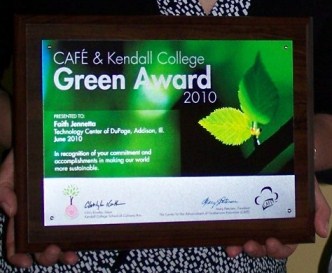 Sharing your best ideas for innovation in teaching sustainability can be rewarding.
 A free web-based tool for nutrition educators shows how to “upgrade” favorite meals by changing the type of meat and poultry, side dishes and condiments to decrease fat and calories in breakfast, lunch and dinner menus.
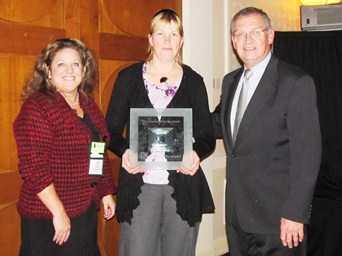 Women Chefs & Restaurateurs’ 2011 Educator of the Year acknowledges that any chef can serve virtually anything any time of year. But what have we sacrificed? Today’s culinary student is caught in the middle.