
Green America Applauds Chipotle’s Removal of GMOs from Its Foods
Thursday, 30 April 2015 03:00
 Washington, D.C.-based Green America, a national nonprofit organization working to create a green economy, issued the following statement on April 27 in response to Denver-based ChipotleMexican Grill’sannouncement of removing GMOs from its foods:
“Chipotle’sannouncement that they are removing genetically engineered ingredients is [a] majorstep forward for the company and an important milestone in creating a safer andhealthier food system for all Americans. Increasingly, it is clear thatconsumers want food without genetically engineered ingredients, and have alreadyrewarded Chipotle with increased sales for its growing non-GMO commitments.
“Evidence shows that GMOs are increasing the use of toxic herbicide use due to the development of herbicide-resistant weeds. Most recently, Glyphosate, which is commonly used on GMO crops, was deemed a probable carcinogen by the World Health Organization. Consumers are increasingly concerned about the impacts of GMOs on the environment and human health and it is time for the restaurant industry and other food companies to make a change. Chipotle has shown that it is possible for a large fast foodchain [to] adopt a more sustainable food supply.
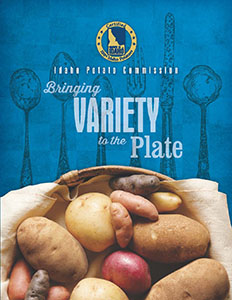 Idaho® potatoes—the term refers to their source of origin—are renowned for quality and reliability in all 50 states. While most consumers and foodservice operators associate the Idaho trademark with russet potatoes, Idaho growers are seeding fields with new varieties to meet a burgeoning demand for reds, yellows and other niche varietal potatoes.
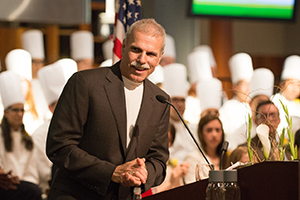 Peter “Pete” Mondavi, Jr., scion of one of Napa Valley’s leading winemaking families, was keynote speaker at the March 27, 2015, graduation ceremony for the Accelerated Wine and Beverage and Accelerated Culinary Arts certificate programs at The Culinary Institute of America at Greystone in St. Helena, Calif. Mondavi advised graduates to use their newly honed skills to help people’s dining experiences become a break from the fast-paced cell-phone world.
 On Monday, May 11, fine-dining connoisseurs are invited to enjoy the modern French cuisine of Mélisse (
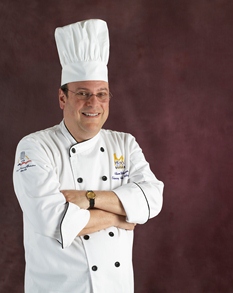 As instructors, we often think we are not doing much. But, says Chef Weiner, we are actually changing the world with every student.
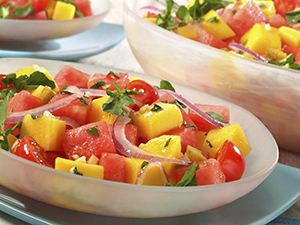 Fresh mango, in abundance this summer, delivers flavor, color, texture and nutrition to menus. To celebrate, Chef Allen Susser shares his recipe for a refreshing fruit salad.
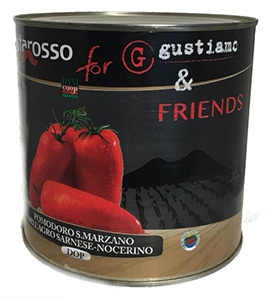 The 10 best-selling categories have shifted since just 2013, and today, cheese is still tops, but refrigerated pasta, functional beverages and nut and seed butters show big gains. Why should we care? Because foodservice is an increasingly important sector to that industry, with growth of nearly 31% since 2012.
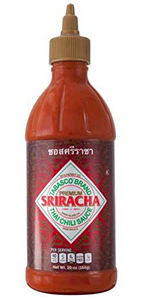 Hot sauce is becoming ubiquitous in homes and at foodservice outlets, according to recent NPD Group research. And while the classic Louisiana type still rules, it’s by far not the only hot seller, evidenced by spreading-like-wildfire sales of fruity habanero and chipotle varieties.
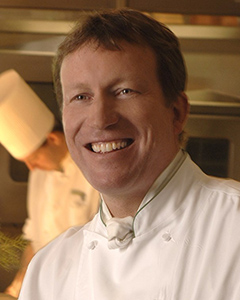 Serving a term of 18 months, Carroll is joined by John Sloane of Macau as vice president of the global organization serving 10 million chefs from more than 105 nations.
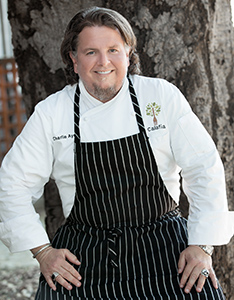 Chef Charlie Ayers and other celebrity chefs support Earth Day San Francisco in honor of Earth Month.