
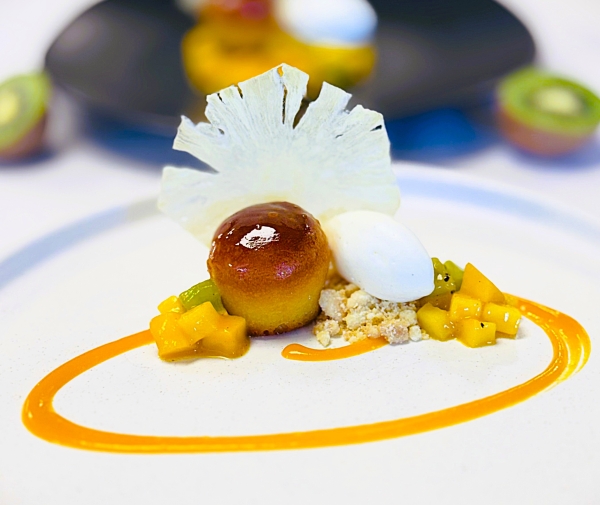
Reclaiming Baba au Rhum as a Contemporary Classic
04 May 2026Student inspiration helped Craig Piermarini see the Baba through a renewed frame: a perfect example of thoughtful pastry design and proof that elegance lies in simplicity.
By Craig Piermarini, CEPC, Associate Professor at the International Baking and Pastry Institute at Johnson & Wales University
Feedback & comments: This email address is being protected from spambots. You need JavaScript enabled to view it.
After 25 years as a pastry chef and educator, I am still energized by every class I teach, driven not only to inspire my students, but to learn, grow and be inspired alongside them. Each day brings something different with an evolving and diverse student population. My students encourage me to question, adapt and rediscover my craft by their unique perspectives and ideas about traditional desserts and pastries. Collaborating with aspiring chefs and pastry chefs is one of the wonderful benefits of teaching. Teaching is most fulfilling when motivation and learning flow both ways, creating a true partnership between teacher and student.
Recently, students in my sophomore-level Baking & Pastry Concepts in Culinary Operations class were challenged to experiment with different variations of the popular Latin American dessert Tres Leche. Inspiration and enthusiasm were flowing, and the creativity was contagious. I was impressed by the students' innovation and the level of thought they invested in their work. 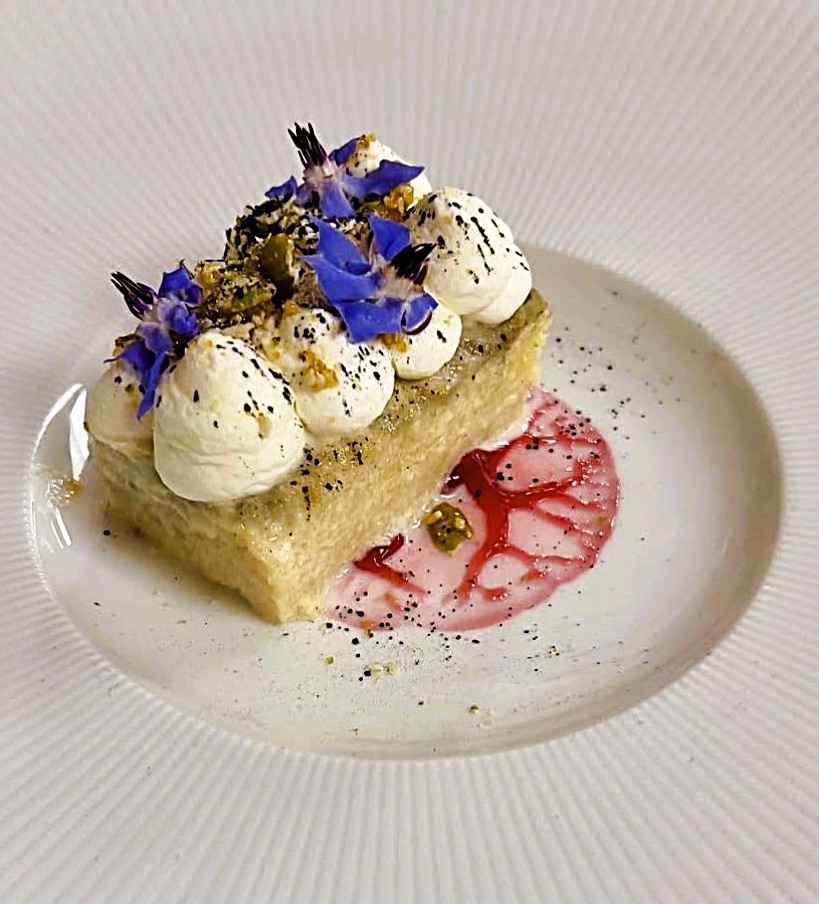
Personally, I find Tres Leche too sweet, but I do appreciate the moist decadence it provides. After sampling the various versions of Tres Leche, I reflected on the significance of achieving a balanced combination of flavors to establish harmony. As a result, I developed a renewed appreciation for a traditional dessert I had long overlooked and underestimated: Baba au Rhum.
There are many similarities between Baba au Rhum and Tres leches. Both are built on the same idea: a light, airy cake soaked in a flavorful liquid that transforms its taste and texture. Tres leches uses a sponge cake saturated with a blend of dairy: sweetened condensed milk, evaporated milk and heavy cream. Baba au Rhum, by contrast, is an enriched yeast cake soaked in a rum syrup that lends subtle notes of citrus and vanilla.
The beauty of Baba is the subtleness it demonstrates when it lets the other flavors shine through while balancing the sweetness. Unlike Tres Leche, Baba is not overly sweet, yet it offers a rich flavor reminiscent of brioche. Made with a high percentage of eggs and butter, it stands out as a refined treat that was truly ahead of its time, being introduced to France in the 18th century.
Legend has it that an exiled Polish king residing in Lorraine, France, inspired its creation by asking his pastry chef, Nicolas Stohrer, to soak a dry kouglof in wine. Inspired by his favorite character in the story “One Thousand and One Nights,” he named the pastry Ali Baba. Some historical accounts suggest that candied fruits, saffron and custard were also incorporated in addition to the wine. By 1835, the wine had largely been replaced with rum.
The students encouraged me to see this classic with new eyes. Teaching experiences like this remind me why I am so passionate about teaching. Inspiration is never one-directional; it is cultivated through shared influence. The Baba, once overlooked, now feels like a perfect example of thoughtful pastry design, proof that elegance often lies in simplicity.
Before this moment, I always thought Baba was a little bland, plain, and old-fashioned. I have come to appreciate that it is an ideal base used for displaying craftsmanship and subtlety, while also allowing chefs to tailor it to their tastes by varying the soaking ingredients. This can be achieved by adjusting the sweetness, using different infusions, and using an alternative alcohol instead of rum in the soaking liquid.
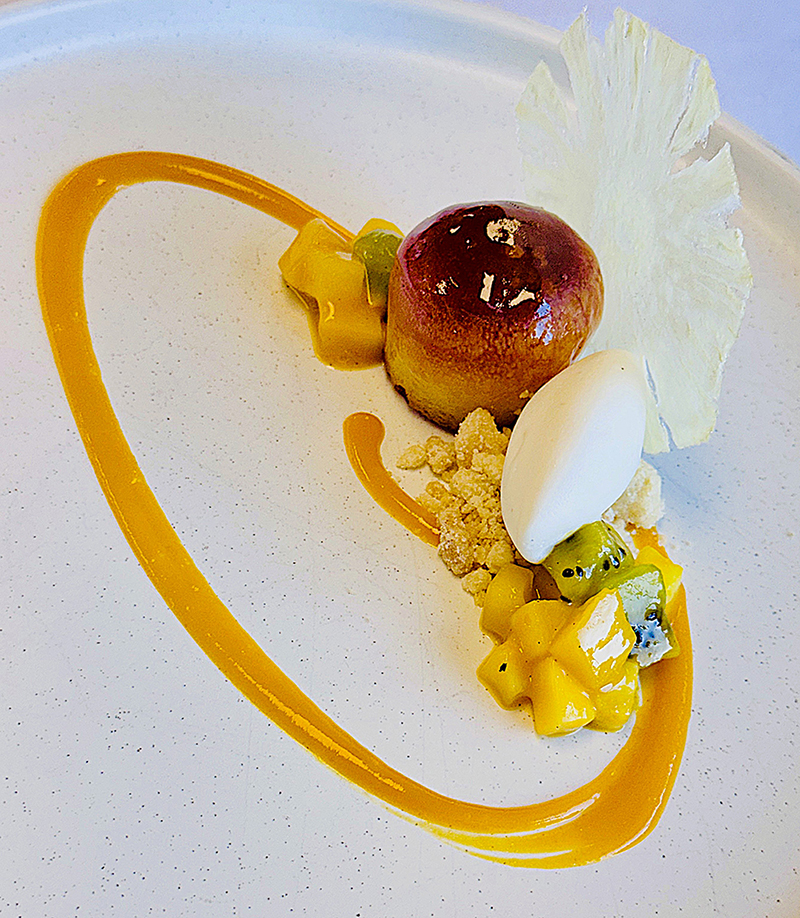 My students inspired me to look at a familiar classic through a renewed perspective. Is Baba ready for a comeback? I believe it is, especially when used in new ways and paired with modern flavor profiles that appeal to today’s more sophisticated pastry consumers.
While making Baba can be time-consuming due to the extensive kneading and proofing times, there are steps to make production more efficient. A recommendation would be to cold ferment the bulk dough in the refrigerator overnight before portioning. This allows the chef to spread out the production, increases flavor and shelf life, while firming up the dough for easier dividing and shaping. Once baked and cooled, Baba freezes extremely well. They can be soaked as needed, simply by thawing and warming the soaking liquid to 160°F. This will allow for a quick, even soak without the Baba falling apart.
There are four more tips I recommend when preparing Baba. The first is to poke them with a skewer to encourage the soaking liquid to saturate the Baba and do not overcrowd the Baba when soaking. Be sure to drain the Baba on a cooling rack before plating; this will remove excess soaking liquid and stabilize the structure. Lastly, serve with Chantilly cream, to have a perfect balance of texture and flavor.
Building on this renewed appreciation, I realized that using Baba instead of cake offers a unique take on a Tres Leche, letting the flavors of the dairy come forward without being overshadowed by too much sweetness. Baba can also reimagine classic desserts such as strawberry shortcake, offering a lighter yeasted option to the traditional biscuit. Beyond flavor, Baba offers greater creative possibilities in presentation because it can be baked in a variety of shapes, thus providing more innovation and visually appealing desserts.
This experience reinforced that classics continue to evolve with us. They take on new meaning when we return with new questions and fresh perspectives. Baba au Rhum, once overlooked, now feels renewed; not as something outdated, but as a quiet, versatile foundation ready to be reimagined.
Photo Courtesy of:
Tropical Baba au Rhum: Rum-Soaked Baba, Mango Coulis, Coconut Soil, Pineapple Crisp, Tropical Fruit Compote, Chantilly Cream
Dessert by: Craig Piermarini
Photo Credit: Nimra Farooqui
Student Inspiration Dessert
Masa Tres Leches: Heirloom Blue and White Cónico Corn Masa Cake soaked in Atole Blanco, Corn Husk Ash, Salted Sesame and Pepita Palanqueta, Masa Chantilly Cream, Hibiscus Gel, Borage Blossoms.
Dessert and Photo Credit: Josue Cervantes