
Guest Speaker: There and Back Again
Sunday, 03 June 2012 07:59
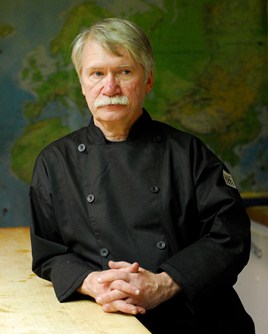 A career educator with 42 years in the food business divulges “musts” to achieve the critical successful relationship between culinary graduate and employer.
By Paul Sorgule, MS, AAC
Even with unemployment looming as one of our country’s greatest challenges, restaurants, hotels and resorts still struggle to find enough qualified, professionally committed individuals to staff their kitchen brigades. Last count there were somewhere between 1,500 and 2,000 schools in the United States with culinary programs. Why is there still a gap between supply and demand?
This year marks my 42nd year in some facet of the food business. I spent 10 years in kitchens from line cook to executive chef after a two-year college program in hotel management. Twenty-six years followed in college-level culinary education beginning as instructor and finishing as the dean of Culinary Arts and Hospitality Management. During that time I completed both baccalaureate and master’s degrees in related fields and dedicated a few weeks each year working in kitchens to stay fresh. I worked diligently with the American Culinary Federation to earn accreditation for the program, served a few years on the Accreditation Committee and was appointed as the chair of the ACF National Education Committee. This time in education afforded me the opportunity to serve as a member of the 1988 New England Culinary Olympic Team and in 2001 was honored as the ACF National Culinary Educator of the Year.
 When is a food “heirloom,” and when is it “heritage”? And is buying “local” more or less beneficial to the planet than buying “organic”? Here’s a briefing on teaching the meaning of popular food buzzwords to students.
 New confections and snacks offer a reliable barometer of consumers’ evolving flavor demands and food choices, as revealed at the 2012 Sweets & Snacks Expo.
 It’s barbecue season, after all. Here are 10 tips from an educator and registered dietitian to make dishes served at the time-honored American backyard celebration both delicious and more healthful.
 As foodservice operators and food manufacturers aim to remove trans fats and reduce saturated fats from foods, functionality and taste will remain the top priorities. This means that ingredient companies must provide more than simple drop-in solutions to solve food-industry problems. Research, education and culinary support are essential for food companies to offer healthier products. To develop a new product or improve the nutrition profile of a customer’s favorite food, companies can now look to ingredient partners for culinary resources and expertise.